Service OvervieMentoring for High Potential Individualsw
Service Overview
This program is designed to support the growth and retention of top talent within the organization. By pairing high-potential individuals with experienced mentors, the service accelerates leadership readiness, broadens strategic perspective, and builds the confidence needed to take on greater responsibilities.
Key characteristics of HiPo mentoring
Targeted and deliberate: The process is intentional, aiming to develop individuals identified as having the aptitude and aspiration for prominent leadership roles. Senior-level mentors: HiPos are typically paired with senior executives who can offer invaluable knowledge, strategic opportunities, and guidance aligned with the mentee's future career path. Accelerated development: This type of mentorship fast-tracks the growth of rising stars, helping them prepare for leadership positions more quickly than through standard training. Succession planning: It is a vital component of a company's succession plan, ensuring a strong pipeline of talented employees is ready to step into key roles.
How a HiPo mentoring program works Identification: Organizations use performance metrics, leadership assessments, and role requirements to identify employees with high potential. It's important to differentiate between high performance and genuine potential to avoid bias. Matching: HiPos are paired with senior leaders who have the necessary expertise, skills, and organizational standing to guide their development effectively. Goal setting: The mentor and mentee collaboratively define specific, measurable goals that align with the individual's ambitions and the organization's needs. Ongoing support: The program includes regular check-ins, development activities, and learning discussions to track progress and provide consistent support. Evaluation: Periodic assessments measure the mentee's progress and the relationship's effectiveness. This allows for adjustments to the development plan as needed.
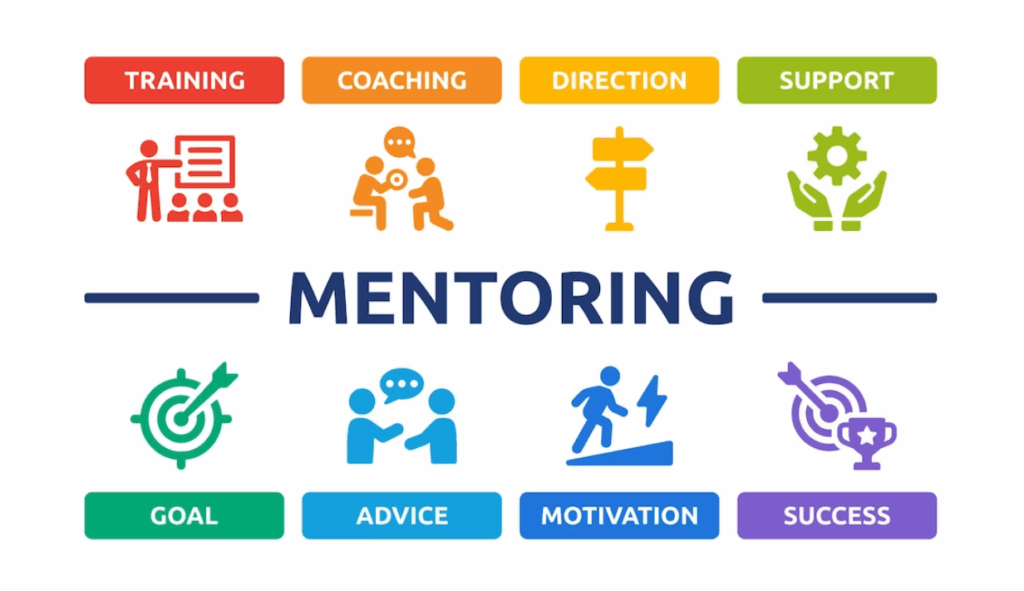
Core components of a mentoring relationship For HiPo mentoring to be successful, the relationship should be built on several key elements: Active listening: A mentor must listen empathetically to understand the mentee's challenges and goals. Constructive feedback: Mentors should provide clear, specific, and actionable feedback that addresses both strengths and weaknesses. Accountability: Mentors hold mentees accountable for achieving their goals, pushing them to move beyond their comfort zones. Network expansion: An effective mentor will introduce the mentee to key contacts and help them expand their professional network. Emotional intelligence: Mentors model and teach emotional intelligence, helping HiPos navigate complex relationships and leverage influence effectively.
Common challenges and solutions Potential for bias: Focus on potential, not just performance, and use objective metrics to identify a diverse pool of candidates. Inclusive programs that allow for self-nomination can help address this. Confusing mentoring with sponsorship: While related, mentoring (capability development) and sponsorship (advocacy for advancement) are different. A mentor develops skills, while a sponsor uses their influence to create opportunities. HiPos often need both. High-maintenance mentees: Some high-potential individuals can be challenging to manage. Mentors should provide "tough love" by holding up a mirror to their behavior and addressing potential "derailers" with clear, constructive feedback. Managing expectations: It is important to establish clear goals and expectations from the beginning to manage pressure and remember that success takes time.